
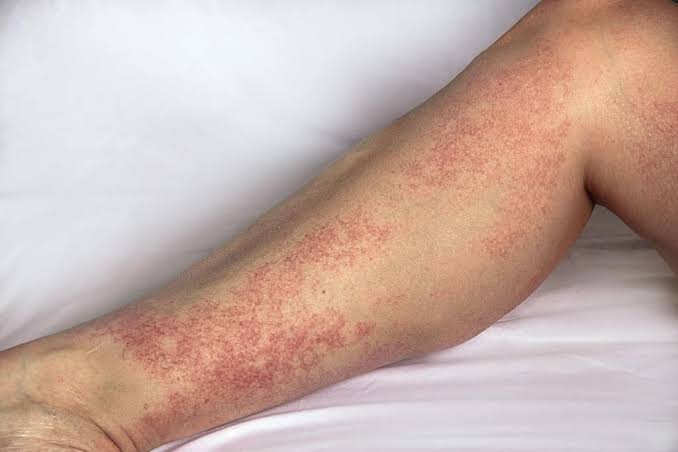
What is Vasculitis?
Vasculitis refers to inflammation of the blood vessels, including arteries, veins, and capillaries. The inflammation can affect blood flow and damage various organs in the body. Vasculitis may occur on its own or develop as a result of another autoimmune disease, infection, or medication.
The condition can affect people of all ages. However, some types of vasculitis are more common in children, while others occur mainly in adults.
Types of Vasculitis
There are several types of vasculitis, including:
- Giant Cell Arteritis – This condition affects the arteries in the head and neck, especially the temples. It commonly occurs in people over the age of 50.
- Takayasu Arteritis – This rare form of vasculitis affects the aorta and its major branches and is more common in young women.
- Polyarteritis Nodosa – This type affects medium-sized arteries and can damage the kidneys, nerves, and digestive system.
- Granulomatosis with Polyangiitis – This condition affects the sinuses, lungs, and kidneys and requires immediate medical attention.
- Microscopic Polyangiitis – It causes inflammation in small blood vessels and commonly affects the kidneys and lungs.
- IgA Vasculitis – This type is more common in children and causes skin rash, abdominal pain, and joint pain.
- Behcet’s Disease – Behcet’s disease causes inflammation of blood vessels throughout the body and can affect the eyes, skin, and mouth.
Symptoms of Vasculitis
The symptoms of vasculitis vary depending on the type and severity of the disease. Common symptoms include:
- Persistent fever
- Unexplained fatigue
- Weight loss
- Muscle pain
- Joint pain and swelling
- Skin rashes or purple spots
- Numbness or weakness
- Shortness of breath
- Abdominal pain
- Headache and vision problems
- Blood in urine
- Kidney problems
Moreover, some patients may experience symptoms related to specific organs, making early diagnosis essential.
Causes of Vasculitis
The exact cause of vasculitis remains unknown. However, several factors may increase the risk of developing the condition, including:
- Autoimmune disorders
- Genetic factors
- Certain infections
- Some medications
- Rheumatoid arthritis
- Lupus
- Chronic inflammatory diseases
Furthermore, an overactive immune system can mistakenly attack healthy blood vessels, leading to inflammation and damage.
Diagnosis of Vasculitis in Nagpur
• Medical History and Physical Examination
The rheumatologist carefully reviews your symptoms, medical history, and family history. A detailed physical examination helps identify signs of blood vessel inflammation.
• Blood Tests
Blood investigations help detect inflammation, autoimmune markers, and abnormal immune system activity associated with vasculitis.
• Urine Tests
Urine tests help identify kidney involvement, protein leakage, and other signs of organ damage.
• Imaging Studies
Ultrasound, CT scan, MRI, and angiography help evaluate blood vessel inflammation and detect damage to affected organs.
• Biopsy
A tissue biopsy may be required in certain cases to confirm the diagnosis and determine the specific type of vasculitis.
• Advanced Autoimmune Testing
Specialized autoimmune tests help identify different forms of vasculitis and guide personalized treatment planning.
Moreover, early diagnosis and prompt treatment can prevent permanent damage to vital organs and improve long-term outcomes.
Vasculitis Treatment in Nagpur
The primary goal of vasculitis treatment is to reduce inflammation, control symptoms, and prevent damage to vital organs.
• Corticosteroids
Steroids help reduce inflammation quickly and provide relief from symptoms such as pain, swelling, and fatigue.
• Immunosuppressive Medicines
These medications control the overactive immune system and help prevent disease progression and organ damage.
• Biologic Therapy
Advanced biologic medicines target specific immune pathways and are highly effective in managing severe or difficult-to-treat cases of vasculitis.
• Supportive Medications
Additional medications help protect affected organs, manage complications, and improve overall health and quality of life.
• Regular Monitoring and Follow-Up
Regular check-ups, blood tests, and imaging studies help monitor disease activity and ensure that treatment remains effective.
Furthermore, treatment plans are individualized based on the type of vasculitis, the severity of symptoms, and the organs affected, ensuring the best possible outcomes for every patient.
Lifestyle Management for Vasculitis Patients
Lifestyle modifications can help improve overall health and support treatment.
- Follow prescribed medications regularly.
- Maintain a healthy diet.
- Exercise according to medical advice.
- Avoid smoking and alcohol.
- Get adequate rest.
- Attend regular follow-up appointments.
- Manage stress effectively.
In addition, proper monitoring helps prevent relapses and long-term complications.
Why Choose Mauli Arthritis and Rheumatology Clinic for Vasculitis Treatment?
- Experienced rheumatology specialist
- Advanced diagnostic facilities
- Personalized treatment plans
- Comprehensive autoimmune disease management
- Patient-centered care
- Long-term disease monitoring
- Evidence-based treatment approach
- Compassionate and professional healthcare team
Therefore, patients receive complete care and guidance throughout their treatment journey.
When Should You Consult a Rheumatologist?
You should seek medical attention if you experience:
- Persistent fever and fatigue
- Unexplained joint pain
- Skin rashes and ulcers
- Sudden vision problems
- Breathing difficulties
- Numbness or weakness
- Unexplained weight loss
- Blood in urine
Early consultation can significantly improve treatment outcomes and reduce the risk of complications.