What is Gout?
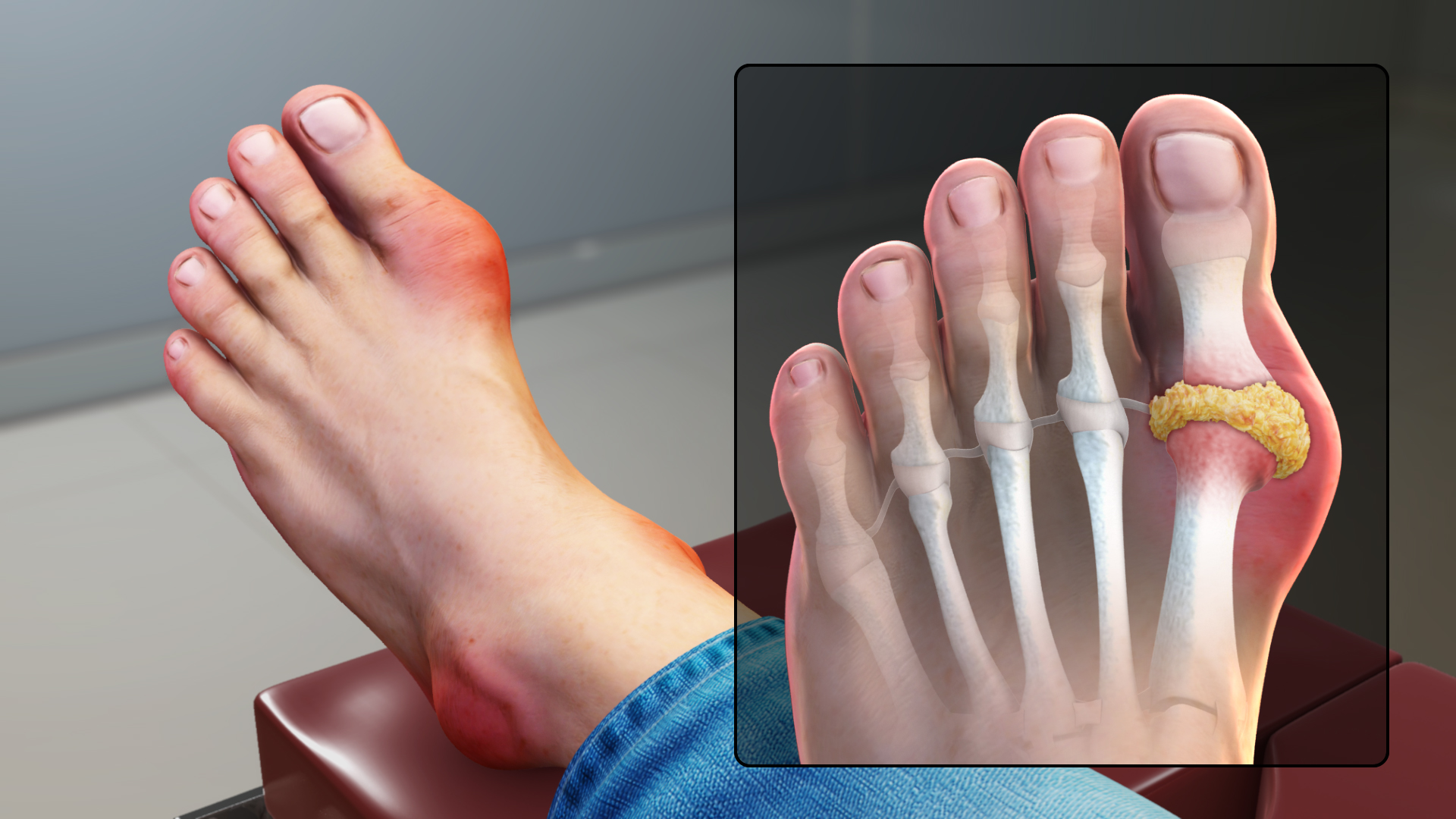
Gout is a type of inflammatory arthritis that occurs when excess uric acid in the blood forms sharp crystals inside the joints. These crystals trigger intense inflammation and cause severe pain.
Normally, uric acid dissolves in the blood and leaves the body through urine. However, when the body produces too much uric acid or the kidneys cannot remove enough of it, uric acid levels rise and crystals begin to form.
Without proper treatment, repeated gout attacks can lead to chronic joint damage and kidney problems.
Symptoms of Gout
Gout symptoms usually appear suddenly, often during the night.
Common Symptoms Include:
- Sudden and severe joint pain
- Swelling and redness around the affected joint
- Warmth and tenderness in the joint
- Difficulty moving the affected joint
- Pain that lasts for several days
- Recurring episodes of arthritis
The big toe is the most commonly affected joint. However, gout can also affect:
- Ankles
- Knees
- Wrists
- Elbows
- Fingers
- Feet
Stages of Gout
Asymptomatic Hyperuricemia
Uric acid levels are high, but no symptoms are present.
Acute Gout Attack
A sudden attack causes severe pain, swelling, and redness.
Intercritical Gout
This is the period between gout attacks when symptoms improve.
Chronic Tophaceous Gout
Long-standing gout may lead to the formation of hard uric acid deposits called tophi, causing permanent joint damage.
Causes of Gout
Several factors can increase uric acid levels and lead to gout.
Increased Uric Acid Production
The body may naturally produce excessive amounts of uric acid.
Reduced Kidney Function
The kidneys may not remove enough uric acid from the body.
Dietary Factors
Certain foods and drinks can increase uric acid levels, including:
- Red meat
- Organ meats
- Seafood
- Sugary beverages
- Alcohol
Medical Conditions
Certain diseases increase the risk of gout, such as:
- Obesity
- Diabetes
- High blood pressure
- Kidney disease
- Metabolic syndrome
Diagnosis of Gout in Nagpur
At Mauli Arthritis and Rheumatology Clinic, we perform a thorough evaluation to accurately diagnose gout and determine the severity of the condition.
• Medical History and Physical Examination
The doctor carefully evaluates your symptoms, medical history, family history, and the affected joints to identify signs of gout.
• Blood Tests
Blood tests measure uric acid levels and help assess inflammation and other underlying health conditions.
• Joint Fluid Analysis
A sample of fluid from the affected joint may be examined under a microscope to detect uric acid crystals, which confirms the diagnosis of gout.
• Imaging Studies
X-rays, ultrasound, and advanced imaging tests help detect uric acid crystal deposits, assess joint damage, and identify complications.
• Kidney Function Tests
These tests evaluate kidney health because gout and high uric acid levels can sometimes affect kidney function.
• Assessment of Risk Factors
The rheumatologist may assess lifestyle factors, dietary habits, medications, and other medical conditions that can contribute to gout.
Moreover, early and accurate diagnosis of gout allows timely treatment, prevents recurrent attacks, and reduces the risk of permanent joint damage and kidney complications.
Gout Treatment in Nagpur
At Mauli Arthritis and Rheumatology Clinic, we provide personalized treatment plans based on the severity of your condition.
Medications for Acute Gout Attacks
Anti-inflammatory medicines help reduce pain and swelling quickly.
Uric Acid Lowering Medications
These medications reduce uric acid levels and prevent future attacks.
Colchicine Therapy
Colchicine can effectively reduce inflammation during acute gout attacks.
Long-Term Management
Regular monitoring and medication adjustments help prevent recurrent gout and joint damage.
Lifestyle Changes for Gout Management
The primary goal of treatment is to reduce inflammation, relieve pain, and prevent joint damage.
Medications
Doctors may prescribe:
- Nonsteroidal anti-inflammatory drugs (NSAIDs)
- Disease-modifying antirheumatic drugs (DMARDs)
- Biologic medications
- Corticosteroids
- Targeted synthetic medications
Therefore, medications help control disease activity and improve mobility.
Physiotherapy
Physiotherapy helps strengthen muscles and improve flexibility. In addition, regular exercise reduces stiffness and supports joint health.
Lifestyle Modifications
Patients should maintain a healthy weight and avoid smoking. Moreover, stress management techniques can reduce flare-ups.
Joint Protection Strategies
Our specialists guide patients on protecting joints and maintaining an active lifestyle.
Complications of Untreated Gout
Without treatment, gout can lead to serious complications, including:
- Recurrent painful attacks
- Permanent joint damage
- Formation of tophi
- Kidney stones
- Chronic kidney disease
- Reduced mobility and quality of life
Therefore, early diagnosis and proper treatment are essential.