Osteoporosis is a common bone disease that causes bones to become weak, brittle, and more likely to fracture. It is often called a “silent disease” because bone loss occurs gradually without symptoms until a fracture happens. Osteoporosis commonly affects the spine, hips, and wrists and can significantly impact mobility and quality of life.
At Mauli Arthritis and Rheumatology Clinic, we provide comprehensive diagnosis and advanced treatment for osteoporosis in Nagpur. Our experienced rheumatology team focuses on early detection, improving bone health, preventing fractures, and helping patients maintain an active lifestyle.
If you have frequent bone pain, loss of height, or a history of fractures after minor injuries, consult our rheumatologist for an accurate diagnosis and personalized treatment plan.
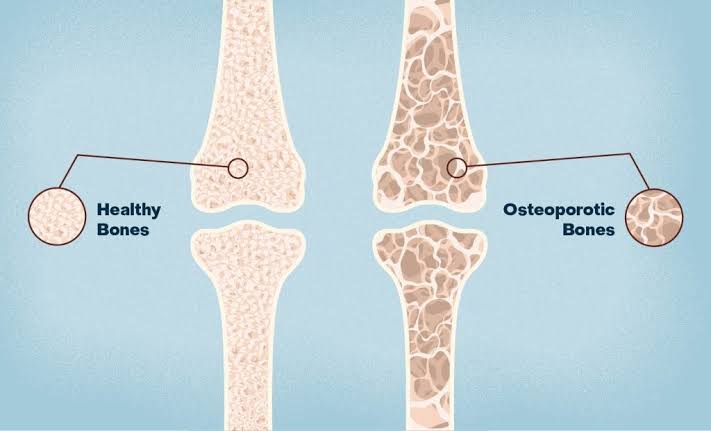
What is Osteoporosis?
Osteoporosis is a condition in which bone density and bone strength decrease over time, making bones fragile and prone to fractures. Healthy bones constantly undergo a process of breaking down and rebuilding. However, when bone loss occurs faster than new bone formation, osteoporosis develops.
The condition is more common in older adults, especially postmenopausal women, but it can also affect men and younger individuals.
Without proper treatment, osteoporosis can lead to serious fractures, disability, and loss of independence.
Symptoms of Osteoporosis
In the early stages, osteoporosis often causes no symptoms. As the disease progresses, patients may experience:
- Back pain
- Loss of height over time
- Stooped posture
- Bone fractures after minor injuries
- Neck pain
- Reduced mobility
- Weak bones and frequent fractures
Common Fractures Caused by Osteoporosis
Hip Fractures
Hip fractures can lead to severe pain, surgery, and prolonged recovery.
Spine Fractures
Compression fractures of the spine may cause:
- Severe back pain
- Height loss
- Curved posture
Wrist Fractures
A simple fall can result in a wrist fracture in patients with osteoporosis.
Causes of Osteoporosis
- Several factors contribute to bone loss and osteoporosis.
- Aging
- Bone density naturally decreases with age.
- The risk of fractures increases as bones become weaker.
- Hormonal Changes
- Reduced estrogen levels after menopause significantly increase the risk of osteoporosis in women.
- Hormonal imbalances can accelerate bone loss.
- Calcium and Vitamin D Deficiency
- These nutrients are essential for maintaining healthy bones.
- Deficiency can lead to reduced bone strength and increased fracture risk.
- Lack of Physical Activity
- A sedentary lifestyle contributes to bone loss.
- Regular exercise helps maintain bone density and strength.
- Certain Medical Conditions
- Some diseases increase the risk of osteoporosis, including:
- Rheumatoid Arthritis
- Thyroid Disorders
- Chronic Kidney Disease
- Autoimmune Diseases
- Some diseases increase the risk of osteoporosis, including:
- Certain Medications
- Long-term use of corticosteroids can weaken bones.
- Some medications may reduce bone density and increase fracture risk.
Diagnosis of Osteoporosis in Nagpur
- At Mauli Arthritis and Rheumatology Clinic, we perform a detailed evaluation to diagnose osteoporosis and assess fracture risk.
- Medical History and Physical Examination
- Our rheumatologist evaluates:
- Previous fractures
- Family history
- Medication history
- Bone pain and posture changes
- Our rheumatologist evaluates:
- Bone Mineral Density Test (DEXA Scan)
- A DEXA scan is the most effective test for diagnosing osteoporosis.
- It helps measure bone density and assess fracture risk.
- Blood Tests
- Blood tests may include:
- Calcium levels
- Vitamin D levels
- Thyroid function tests
- Kidney function tests
- These tests help identify underlying causes of bone loss.
- They also assist in planning appropriate treatment and long-term management.
- Blood tests may include:
Osteoporosis Treatment in Nagpur
- At Mauli Arthritis and Rheumatology Clinic, treatment plans are customized according to the severity of bone loss and fracture risk.
- Calcium Supplements
- Calcium is essential for maintaining strong bones.
- Supplementation helps support bone strength and density.
- Vitamin D Supplementation
- Vitamin D helps the body absorb calcium.
- Improves bone health and reduces the risk of fractures.
- Medications to Strengthen Bones
- Specific medications help slow bone loss.
- Reduce the risk of fractures and improve bone density.
- Injectable Therapies
- Advanced injectable treatments may be recommended for severe osteoporosis.
- These therapies help strengthen bones and prevent future fractures.
- Treatment of Underlying Conditions
- Managing conditions such as rheumatoid arthritis or hormonal disorders can improve bone health.
- Treating underlying causes helps prevent further bone loss and complications.
Lifestyle Changes for Osteoporosis Management
- Lifestyle modifications play a vital role in preventing fractures and improving bone strength.
- Eat a Calcium-Rich Diet
- Include foods such as:
- Milk and dairy products
- Green leafy vegetables
- Almonds
- Soy products
- A calcium-rich diet helps maintain strong and healthy bones.
- Include foods such as:
- Get Enough Vitamin D
- Sunlight exposure and dietary sources help maintain healthy vitamin D levels.
- Adequate vitamin D improves calcium absorption and bone health.
- Exercise Regularly
- Weight-bearing and muscle-strengthening exercises improve bone density.
- Regular exercise enhances balance, strength, and mobility.
- Prevent Falls
- Make your home safer and use supportive footwear to reduce the risk of fractures.
- Removing hazards can help prevent injuries and improve safety.
- Avoid Smoking and Excessive Alcohol
- Both habits can accelerate bone loss.
- Avoiding these habits helps preserve bone strength and reduce fracture risk.
When Should You Consult a Rheumatologist?
Consult a rheumatologist if you experience:
- Fractures after minor falls
- Persistent back pain
- Loss of height
- Stooped posture
- Long-term steroid use
- Family history of osteoporosis
- Postmenopausal bone health concerns
Early diagnosis and treatment can prevent serious fractures and improve long-term outcomes.