At Mauli Arthritis and Rheumatology Clinic, we provide comprehensive diagnosis and advanced treatment for Sjögren’s syndrome in Nagpur. Our experienced rheumatology team focuses on early diagnosis, symptom management, and preventing complications to improve your quality of life.
If you experience persistent dryness of the eyes or mouth along with joint pain and fatigue, consult our rheumatologist for an accurate diagnosis and personalized treatment plan.
What is Sjögren’s Syndrome?
Sjögren’s syndrome is an autoimmune disorder in which the immune system mistakenly attacks the body’s moisture-producing glands. Consequently, the eyes and mouth become excessively dry.
The condition can occur alone, known as Primary Sjögren’s Syndrome, or it may develop along with other autoimmune diseases such as:
- Rheumatoid Arthritis
- Lupus
- Scleroderma
- Autoimmune Thyroid Disease
Moreover, the disease commonly affects middle-aged women, although it can occur in both men and women of any age.
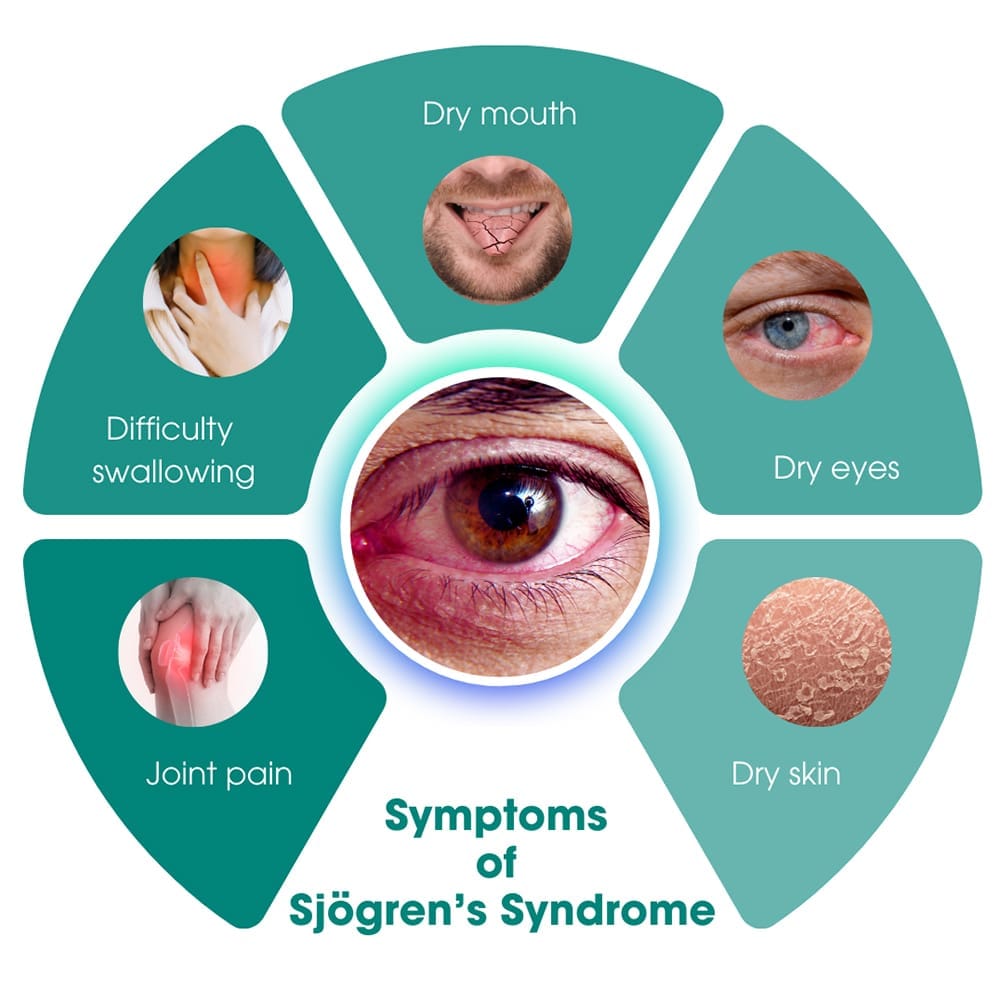
Symptoms of Sjögren’s Syndrome
The symptoms of Sjögren’s syndrome vary from person to person. However, the most common symptoms include:
Dry Eyes
- Burning sensation in the eyes
- Redness and irritation
- Feeling of sand or grit in the eyes
- Sensitivity to light
- Blurred vision
Dry Mouth
- Difficulty swallowing
- Frequent thirst
- Dry throat
- Difficulty speaking for long periods
- Increased dental cavities and gum disease
General Symptoms
- Extreme fatigue
- Joint pain and stiffness
- Muscle aches
- Swollen salivary glands
- Dry skin
- Vaginal dryness
- Difficulty concentrating
Advanced Symptoms of Sjögren’s Syndrome
In some patients, the disease may affect other organs, causing:
- Lung inflammation
- Kidney problems
- Liver disorders
- Nerve damage
- Vasculitis
- Digestive issues
- Increased risk of lymphoma
Therefore, early diagnosis and regular monitoring are essential to prevent serious complications.
Causes of Sjögren’s Syndrome
The exact cause of Sjögren’s syndrome remains unknown. However, several factors may contribute to the development of this autoimmune disease.
• Genetic Factors
Certain genes may increase the risk of developing autoimmune disorders, making some individuals more susceptible to Sjögren’s syndrome.
• Immune System Dysfunction
In this condition, the immune system mistakenly attacks healthy moisture-producing glands and other body tissues.
• Hormonal Factors
Sjögren’s syndrome is more common in women, suggesting that hormonal changes may play a role in its development.
• Environmental Triggers
Certain viral or bacterial infections may trigger the disease in genetically predisposed individuals.
• Family History of Autoimmune Diseases
People with a family history of autoimmune conditions may have a higher risk of developing Sjögren’s syndrome.
• Age and Gender
The condition is most commonly diagnosed in middle-aged adults and affects women more frequently than men.
Furthermore, researchers believe that a combination of genetic, hormonal, immune, and environmental factors contributes to the development of Sjögren’s syndrome.
Diagnosis of Sjögren’s Syndrome in Nagpur
At Mauli Arthritis and Rheumatology Clinic, we perform a comprehensive evaluation to accurately diagnose Sjögren’s syndrome.
Medical History and Physical Examination
Our rheumatologist evaluates your symptoms, medical history, and examines your eyes, mouth, and joints.
Blood Tests
Blood tests help detect autoimmune markers such as:
- ANA (Antinuclear Antibodies)
- Anti-SSA (Ro) Antibodies
- Anti-SSB (La) Antibodies
- Rheumatoid Factor
- ESR and CRP
Eye Examination
Special tests measure tear production and assess eye damage caused by dryness.
Salivary Gland Assessment
The doctor evaluates saliva production and examines the salivary glands.
Imaging Studies
Ultrasound and other imaging tests help detect gland inflammation and organ involvement.
Sjögren’s Syndrome Treatment in Nagpur
Although there is no permanent cure for Sjögren’s syndrome, proper treatment can significantly improve symptoms, manage inflammation, and prevent complications.
At Mauli Arthritis and Rheumatology Clinic, we create personalized treatment plans based on each patient’s symptoms, disease severity, and overall health.
• Medications for Dry Eyes
Artificial tears and lubricating eye drops help reduce eye dryness, irritation, burning, and discomfort.
• Medications for Dry Mouth
Medicines that stimulate saliva production help improve oral health, reduce mouth dryness, and make eating and speaking easier.
• Anti-Inflammatory Medicines
These medications help relieve joint pain, stiffness, and inflammation associated with Sjögren’s syndrome.
• Disease-Modifying Anti-Rheumatic Drugs (DMARDs)
DMARDs help control the abnormal immune response and prevent disease progression.
• Immunosuppressive Therapy
In severe cases, immunosuppressive medications help reduce immune system activity and protect vital organs from damage.
• Biologic Therapy
Advanced biologic medications may be recommended for patients with significant systemic involvement or severe autoimmune manifestations.
• Lifestyle Modifications and Supportive Care
Drinking plenty of water, maintaining good oral hygiene, using humidifiers, and having regular eye and dental check-ups can help manage symptoms effectively.
• Regular Monitoring and Follow-Up
Routine follow-up visits allow the rheumatologist to monitor disease activity, adjust medications, and prevent complications.
Furthermore, early diagnosis and appropriate treatment can help patients with Sjögren’s syndrome lead a healthier, more comfortable, and active life while reducing the risk of long-term complications.
Lifestyle Tips for Managing Sjögren’s Syndrome
Patients with Sjögren’s syndrome can improve their quality of life by following these measures:
- Drink plenty of water.
- Use artificial tears regularly.
- Maintain good oral hygiene.
- Avoid smoking and alcohol.
- Use a humidifier at home.
- Exercise regularly.
- Eat a healthy and balanced diet.
- Attend regular follow-up appointments.
Furthermore, early treatment can prevent long-term complications and improve daily functioning.