
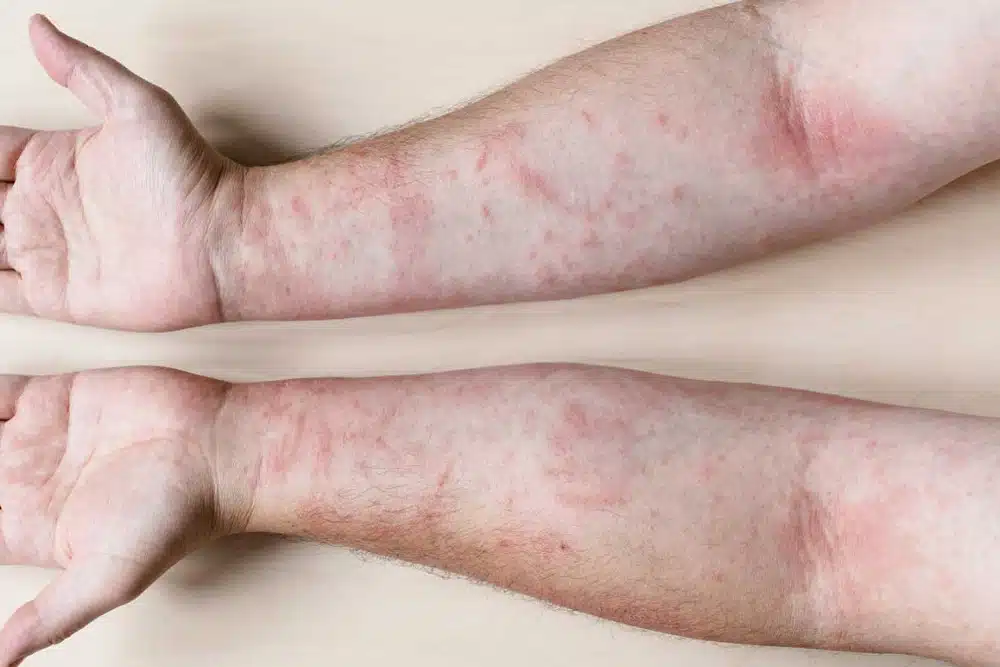
What is Psoriatic Arthritis?
Types of Psoriatic Arthritis
- Symmetric Psoriatic Arthritis: This type affects the same joints on both sides of the body. Moreover, it often resembles rheumatoid arthritis.
- Asymmetric Psoriatic Arthritis: This form affects joints on only one side of the body. Therefore, patients may experience pain and swelling in a few joints.
- Distal Interphalangeal Predominant Psoriatic Arthritis: This type mainly affects the joints near the fingernails and toenails. In addition, nail changes frequently occur.
- Spondylitis: Spondylitis affects the spine and causes neck and back stiffness. As a result, patients may experience difficulty with movement.
- Arthritis Mutilans: This is a rare but severe form of psoriatic arthritis. Therefore, immediate medical attention becomes necessary to prevent joint deformities.
Symptoms of Psoriatic Arthritis
The symptoms of psoriatic arthritis vary from person to person. However, common symptoms include:
- Joint pain and swelling
- Morning stiffness
- Lower back pain
- Fatigue and weakness
- Swollen fingers and toes
- Nail changes such as pitting or separation
- Reduced range of motion
- Heel pain and foot pain
- Eye redness and inflammation
- Tenderness in joints and tendons
Moreover, some patients may develop joint symptoms before the appearance of skin psoriasis.
Causes of Psoriatic Arthritis
- Genetic Factors: People with a family history of psoriasis or psoriatic arthritis have a higher risk of developing the disease.
- Immune System Dysfunction: The immune system mistakenly attacks healthy tissues and causes inflammation.
- Environmental Triggers: Certain infections, injuries, and stress can trigger symptoms. Therefore, managing these factors may help control flare-ups.
When Should You See a Rheumatologist?
You should consult a rheumatologist if you experience:
- Persistent joint pain and stiffness
- Swollen fingers or toes
- Chronic back pain
- Psoriasis with joint symptoms
- Difficulty performing daily activities
- Unexplained fatigue
Therefore, early diagnosis and treatment can significantly improve long-term outcomes.
Diagnosis of Psoriatic Arthritis
- Medical History and Physical Examination: The doctor examines your joints, skin, and nails to identify signs of inflammation.
- Blood Tests: Blood tests help rule out other conditions such as rheumatoid arthritis.
- Imaging Studies: X-rays, ultrasound, and MRI scans help detect joint damage and inflammation.
- Joint Assessment: The rheumatologist evaluates the number of affected joints and the severity of symptoms.
- Personalized Treatment Planning: Moreover, accurate diagnosis helps create a personalized treatment plan.
Psoriatic Arthritis Treatment in Nagpur
The primary goal of treatment is to reduce inflammation, relieve pain, and prevent joint damage.
Medications
Doctors may prescribe:
- Nonsteroidal anti-inflammatory drugs (NSAIDs)
- Disease-modifying antirheumatic drugs (DMARDs)
- Biologic medications
- Corticosteroids
- Targeted synthetic medications
Therefore, medications help control disease activity and improve mobility.
Physiotherapy
Physiotherapy helps strengthen muscles and improve flexibility. In addition, regular exercise reduces stiffness and supports joint health.
Lifestyle Modifications
Patients should maintain a healthy weight and avoid smoking. Moreover, stress management techniques can reduce flare-ups.
Joint Protection Strategies
Our specialists guide patients on protecting joints and maintaining an active lifestyle.
Psoriatic Arthritis Treatment
The primary goal of treatment is to reduce inflammation, relieve pain, and prevent joint damage.
Medications
Doctors may prescribe:
- Nonsteroidal anti-inflammatory drugs (NSAIDs)
- Disease-modifying antirheumatic drugs (DMARDs)
- Biologic medications
- Corticosteroids
- Targeted synthetic medications
Therefore, medications help control disease activity and improve mobility.
Physiotherapy
Physiotherapy helps strengthen muscles and improve flexibility. In addition, regular exercise reduces stiffness and supports joint health.
Lifestyle Modifications
Patients should maintain a healthy weight and avoid smoking. Moreover, stress management techniques can reduce flare-ups.
Joint Protection Strategies
Our specialists guide patients on protecting joints and maintaining an active lifestyle.
Complications of Untreated Psoriatic Arthritis
Without proper treatment, psoriatic arthritis can cause:
- Permanent joint damage
- Joint deformities
- Chronic pain
- Reduced mobility
- Eye inflammation
- Cardiovascular problems
- Emotional stress and depression
Therefore, seeking early medical care remains essential.
Prevention Tips for Psoriatic Arthritis
Although psoriatic arthritis cannot always be prevented, these measures may reduce complications:
- Maintain a healthy weight
- Exercise regularly
- Manage stress effectively
- Follow prescribed medications
- Avoid smoking
- Schedule regular medical checkups
Therefore, adopting healthy lifestyle habits can improve disease control.