
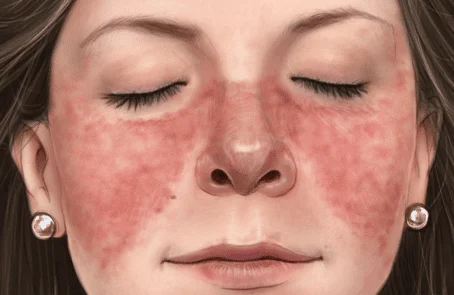
What is Systemic Lupus Erythematosus (SLE)?
Systemic Lupus Erythematosus (SLE) is an autoimmune disease in which the body’s immune system attacks its own healthy tissues. The resulting inflammation can damage multiple organs and systems throughout the body.
Lupus affects each person differently. Some patients may have mild symptoms involving the skin and joints, while others may develop serious complications affecting the kidneys, heart, lungs, or nervous system.
Although lupus is a lifelong condition, early diagnosis and proper treatment can effectively control symptoms and reduce complications.
Types of Psoriatic Arthritis
- Symmetric Psoriatic Arthritis: This type affects the same joints on both sides of the body. Moreover, it often resembles rheumatoid arthritis.
- Asymmetric Psoriatic Arthritis: This form affects joints on only one side of the body. Therefore, patients may experience pain and swelling in a few joints.
- Distal Interphalangeal Predominant Psoriatic Arthritis: This type mainly affects the joints near the fingernails and toenails. In addition, nail changes frequently occur.
- Spondylitis: Spondylitis affects the spine and causes neck and back stiffness. As a result, patients may experience difficulty with movement.
- Arthritis Mutilans: This is a rare but severe form of psoriatic arthritis. Therefore, immediate medical attention becomes necessary to prevent joint deformities.
Symptoms of Systemic Lupus Erythematosus (SLE)
The symptoms of lupus can vary greatly from person to person and often come and go in periods called flares.
Common Symptoms Include:
- Extreme fatigue
- Joint pain and stiffness
- Swollen joints
- Fever without infection
- Muscle pain
- Skin rashes
- Hair loss
- Weight loss
- Mouth ulcers
- Swollen lymph nodes
Skin Symptoms of Lupus
- Butterfly Rash
- A red rash appears across the cheeks and nose, forming a butterfly shape.
- It is one of the most common skin manifestations of lupus.
- Photosensitivity
- The skin becomes highly sensitive to sunlight.
- Sun exposure may trigger or worsen skin rashes.
- Skin Lesions
- Some patients develop circular or raised skin lesions.
- These lesions may appear on the face, scalp, or other body parts.
- Hair Loss
- Excessive hair shedding and thinning are common during disease flares.
- Hair may become brittle and break easily.
Organ Involvement in Lupus
Kidney Disease (Lupus Nephritis)
Lupus can cause inflammation of the kidneys, leading to:
- Swelling of the legs
- High blood pressure
- Foamy urine
- Reduced kidney function
Heart Problems
Lupus may cause:
- Pericarditis
- Increased risk of heart disease
- Inflammation of heart tissues
Lung Involvement
Patients may experience:
- Chest pain
- Shortness of breath
- Pleuritis
Nervous System Problems
Lupus can affect the brain and nerves, causing:
- Headaches
- Memory problems
- Seizures
- Depression
- Numbness and tingling
Causes of Systemic Lupus Erythematosus
The exact cause of lupus remains unknown. However, several factors contribute to the disease.
Genetic Factors
Certain genes increase the risk of developing autoimmune diseases.
Hormonal Factors
Lupus is more common in women, especially during childbearing years.
Environmental Triggers
Several factors may trigger lupus, including:
- Sun exposure
- Viral infections
- Stress
- Certain medications
Immune System Dysfunction
The immune system mistakenly attacks healthy tissues and organs.
Diagnosis of Systemic Lupus Erythematosus in Nagpur
At Mauli Arthritis and Rheumatology Clinic, we perform a thorough evaluation to accurately diagnose lupus.
Medical History and Physical Examination
Our rheumatologist carefully evaluates your symptoms and examines the joints, skin, and other organ systems.
Blood Tests
Blood tests may include:
- ANA (Antinuclear Antibody)
- Anti-dsDNA Antibody
- Anti-Sm Antibody
- ESR and CRP
- Complement Levels (C3 and C4)
- Complete Blood Count
Urine Tests
Urine analysis helps identify kidney involvement.
Imaging Studies
X-rays, ultrasound, echocardiography, and other imaging tests may be recommended depending on the affected organs.
Systemic Lupus Erythematosus (SLE) Treatment in Nagpur
- Although there is no permanent cure for lupus, proper treatment can effectively control symptoms and prevent organ damage.
- At Mauli Arthritis and Rheumatology Clinic, treatment plans are individualized according to disease severity and organ involvement.
- Anti-Inflammatory Medications
- Help reduce pain and inflammation.
- Improve joint stiffness and discomfort.
- Antimalarial Medicines
- Help control skin symptoms and joint pain.
- Reduce disease activity and prevent flare-ups.
- Corticosteroids
- Help reduce severe inflammation during disease flares.
- Provide quick relief from active symptoms.
- Immunosuppressive Therapy
- Controls the overactive immune system.
- Helps prevent organ damage and disease progression.
- Biologic Therapy
- Advanced biologic medications may be recommended for severe or resistant lupus.
- Targets specific immune pathways to improve symptom control.
Lifestyle Tips for Patients with Lupus
- Lifestyle modifications play an important role in managing lupus.
- Protect Yourself from Sun Exposure
- Use sunscreen and avoid prolonged sun exposure.
- Wear protective clothing and sunglasses when outdoors.
- Exercise Regularly
- Regular exercise helps reduce fatigue.
- Improves flexibility, strength, and overall health.
- Get Adequate Rest
- Proper sleep helps control fatigue.
- Supports recovery and overall well-being.
- Eat a Healthy Diet
- A balanced diet supports the immune system.
- Helps maintain overall health and energy levels.
- Manage Stress
- Stress management can help reduce lupus flares.
- Practices such as meditation and relaxation techniques may be beneficial.
- Attend Regular Follow-Ups
- Routine monitoring helps detect complications early.
- Ensures timely treatment adjustments and better disease control.
When Should You Consult a Rheumatologist?
Consult a rheumatologist if you experience:
- Persistent joint pain and swelling
- Unexplained fatigue
- Butterfly rash on the face
- Recurrent fever
- Hair loss
- Mouth ulcers
- Kidney problems
- Symptoms affecting multiple organs
Early diagnosis and treatment can significantly improve long-term outcomes.